These materials are only plastic when moulded at high temperatures. Once hardened, they retain their shape and hardness, even when exposed to heat again. Their high strength, good chemical resistance and comparatively low weight make thermosets a lightweight alternative to metal materials.

Materials
Thermoplastic – flexible, precisely mouldable all-rounder.
Thermoplastics are plastics that can be moulded at higher temperatures. This moulding process can also be reversed: by cooling and reheating to a molten state, a moulding process can be repeated almost as often as required, provided the material is not overheated and thus decomposes.
Thermoplastics - Versatile plastics with high mouldability and resistance
Thermoplastics have no cross-linking in their molecular structure. This makes thermoplastics easy to mould under the influence of temperature. However, mechanical stress, for example through tension or pressure, also leads to deformation in thermoplastics because the individual molecular chains can slide past each other due to the lack of cross-linking. Whether thermoplastics are hard or soft at room temperature depends on the morphological structure and the respective glass transition temperature: this value describes the temperature at which molecular chains can move freely under the influence of heat, causing the plastic to lose its solid form and become soft or liquid.
A thermoplastic is generally electrically insulating and certain types are resistant to everyday chemicals, acids, alkalis and weathering.
We process a wide range of thermoplastics, from polyolefins such as polypropylene (PP) and polypropylene (PE) to engineering thermoplastics such as polyamides (PAx grades), styrene polymers such as acrylonitrile-budtadiene (ABS), styrene-acrylonitrile (SAN, ASA) polyoxymethylene (POM) polystertherephthalates (PET, PBT) through to high-performance polymers such as polyether ketones (PEEK) or polysulphones (PPS) and crystal-clear plastics such as polystyrene (PS), polycarbonate (PC) and polymethyl methacrylate (PMMA). Special plastic blends such as ABS+PC, ABS+PA, PC+ASA, PC+PBT or PC+PET make it possible to combine the properties of both materials to create new areas of application.
The use of reinforcing materials such as glass, carbon and aramid fibres, glass beads or minerals enables a further increase in the performance of plastics for highly stressed components. Lubricant-modified grades with MoS (molybdenum sulphide) or PTFE (polytetrafluoroethylene) enable good tribological and sliding friction properties.
Polyethylene PE and polypropylene PP are semi-crystalline thermoplastics that are characterised by good chemical resistance and good electrical insulation properties. The materials are easy to process and are mass plastics. Homopolymers and copolymers enable a wide range of properties from very flexible to rigid.
Styrene polymers are also mass plastics. Thanks to the many possible combinations of the styrene, acrylonitrile and butadiene components involved, plastics can be produced for a wide range of applications. Very hard and brittle properties through to impact-modified materials can be produced.
Thermoplastic materials: properties, advantages and areas of application
Polystyrene (PS)
Acrylonitrile / butadiene / styrene (ABS)
Polymethylmethacrylate / Plexiglas (PMMA)
Polycarbonate (PC)
Polyamides (PA)
Polyamide 6 (PA 6)
Polyethylene terephthalate (PET)
Polybutylene terephthalate (PBT, PBTP)
Polyoxymethylene (POM)
Polystyrene is an amorphous material with low moisture absorption and is one of the most commonly used plastics. It is crystal clear, hard, rigid and brittle and enables components with a high surface gloss. Areas of application include packaging, household goods, lighting technology and technical parts in general. The sensitivity to stress cracking and UV stability must be taken into account when using this material.
Polystyrene has a high resistance to acids, alkalis, and alcohol, but it is attacked by many non‑polar solvents. Its susceptibility to stress cracking and its limited UV stability should also be taken into account.
Typical applications include packaging, household goods, lighting technology, and general technical components.
ABS is a polymer composed of the three basic monomers acrylonitrile, butadiene and styrene.
The thermoplastic ABS:
- forms high-quality, high and matt glossy as well as scratch-resistant surfaces,
- has a high surface hardness and good impact resistance,
- is resistant to aqueous chemicals.
We process the amorphous material acrylonitrile butadiene styrene (ABS) into high-quality housings, control panels and visible parts.
It is a scratch‑resistant and transparent material with
- very high rigidity and
- good weather resistance,
- but it has low toughness and is therefore impact‑sensitive,
- and it is also prone to stress cracking.
Polycarbonate is a highly transparent plastic. Its most important properties are …
- extremely high impact resistance,
- high strength,
- high temperature resistance,
- good optical properties and
- self-extinguishing.
Polyamides, alongside ABS and PP compounds, belong to the top tier of engineering materials. In mechanical engineering and precision technology, polyamide is even the undisputed frontrunner among polymers.
The material group Polyamide 6 (PA 6) offers versatile materials for mechanical functional components in mechanical engineering. Polyamides are resistant to cold, capable of withstanding impact loads, tough, abrasion‑resistant even with rough sliding partners, and they possess a high energy absorption capacity.
PET is highly fracture-resistant and retains its shape even at temperatures above 80°C. However, it has low impact strength and good sliding and wear behaviour. PET is resistant to many chemicals, which is why it is frequently used in the food industry as well as in laboratories and medicine.
PBT (polybutylene terephthalate) is widely used due to its high rigidity and strength, as well as its good friction and wear properties. It is resistant to many solvents and performs well at operating temperatures between – °C and up to 150 °C. Because it cools more favorably than PET, PBT is particularly well suited for injection molding and is preferably used for precision mechanical components in device construction. Typical applications include housings for electrical devices, electrical connectors, and various household items. In addition, PBT serves as an alternative to polyacetal (POM).
Polyoxymethylene or polyacetal is a semi-crystalline material with high hardness, rigidity and good toughness. POM has no water absorption, good chemical resistance and favourable sliding and abrasion behaviour. There are homopolymer and copolymer grades for many technical applications with extremely tight tolerances and for small, thin-walled parts.
Thermoset or thermoplastic: we will be happy to advise you on choosing the right material
0
… Injection moulding machines are available for the processing of thermosets.
Plastics and their features
Density and strength
Chemical resistance
Ageing
Insulation
Flammability
Reinforcement
Refinement
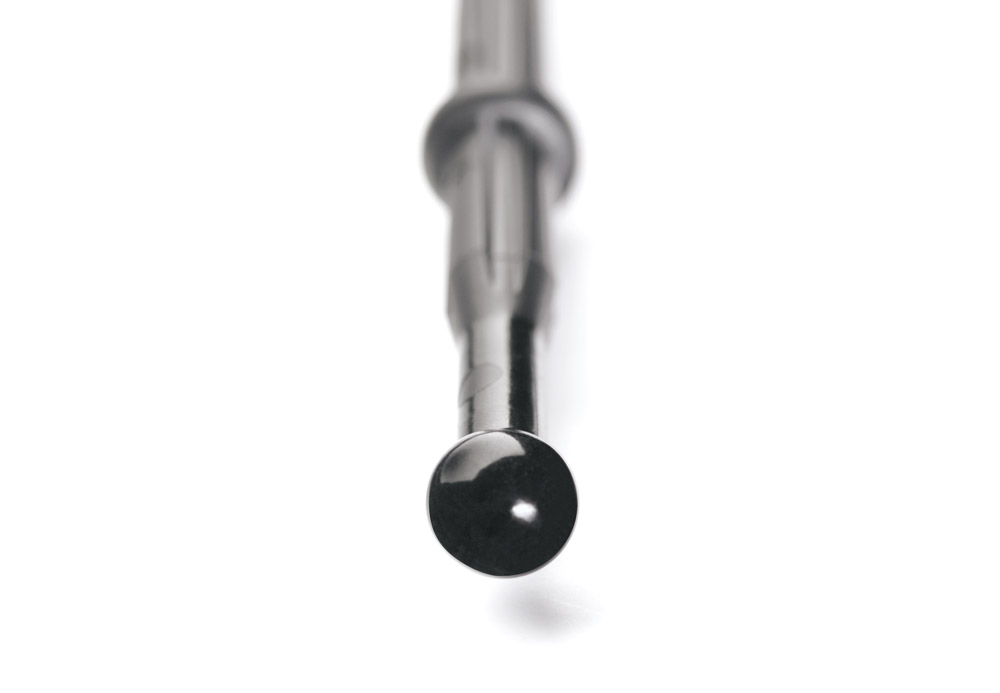
Most plastics have a density of between 0,8 and 2,2 g/cm3. They are therefore considerably lighter than metallic or ceramic materials.
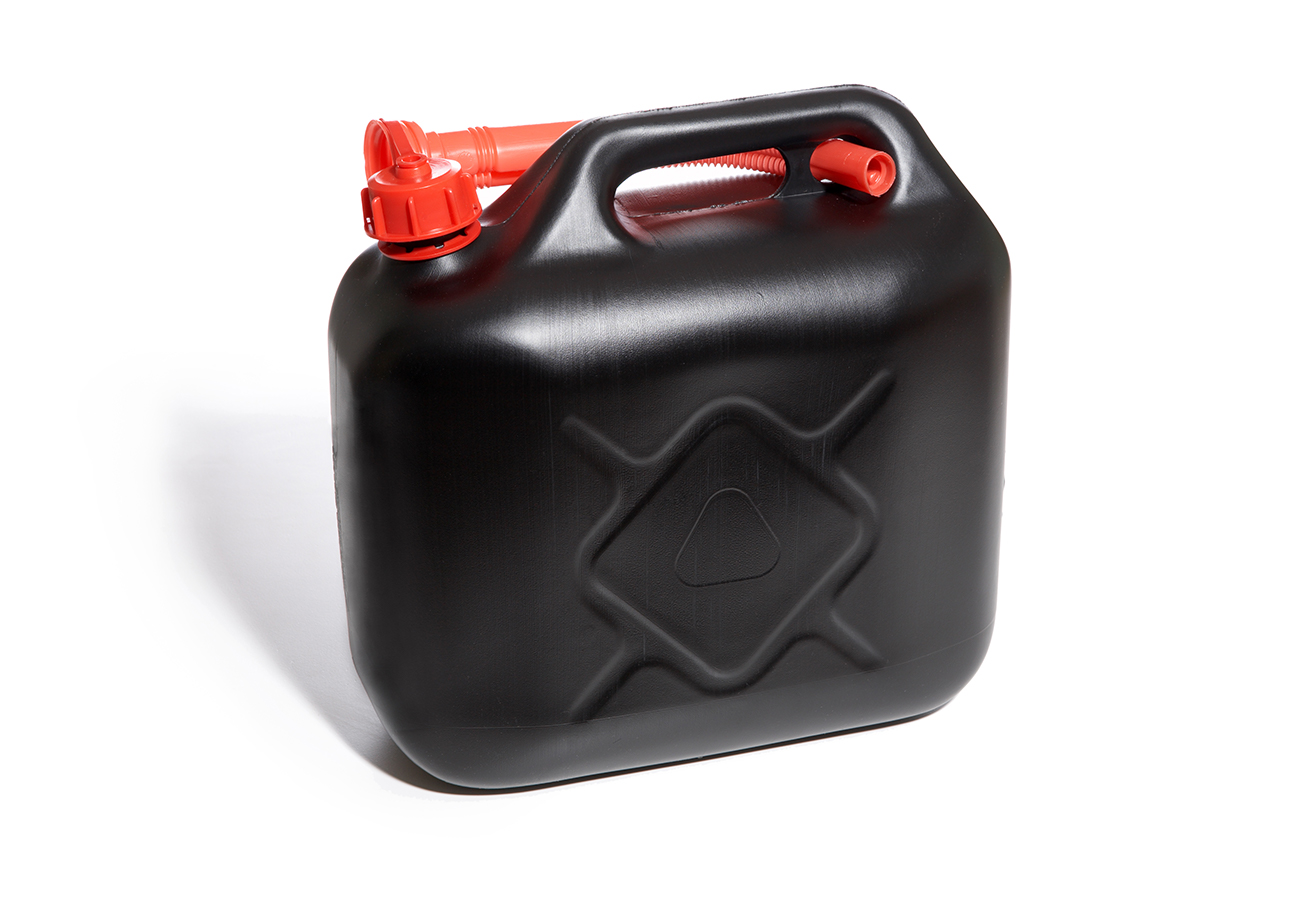
Many plastics are highly resistant to inorganic substances, including mineral acids, alkalis and salt solutions. This justifies their use in a wide variety of areas such as household, automotive and mechanical engineering.
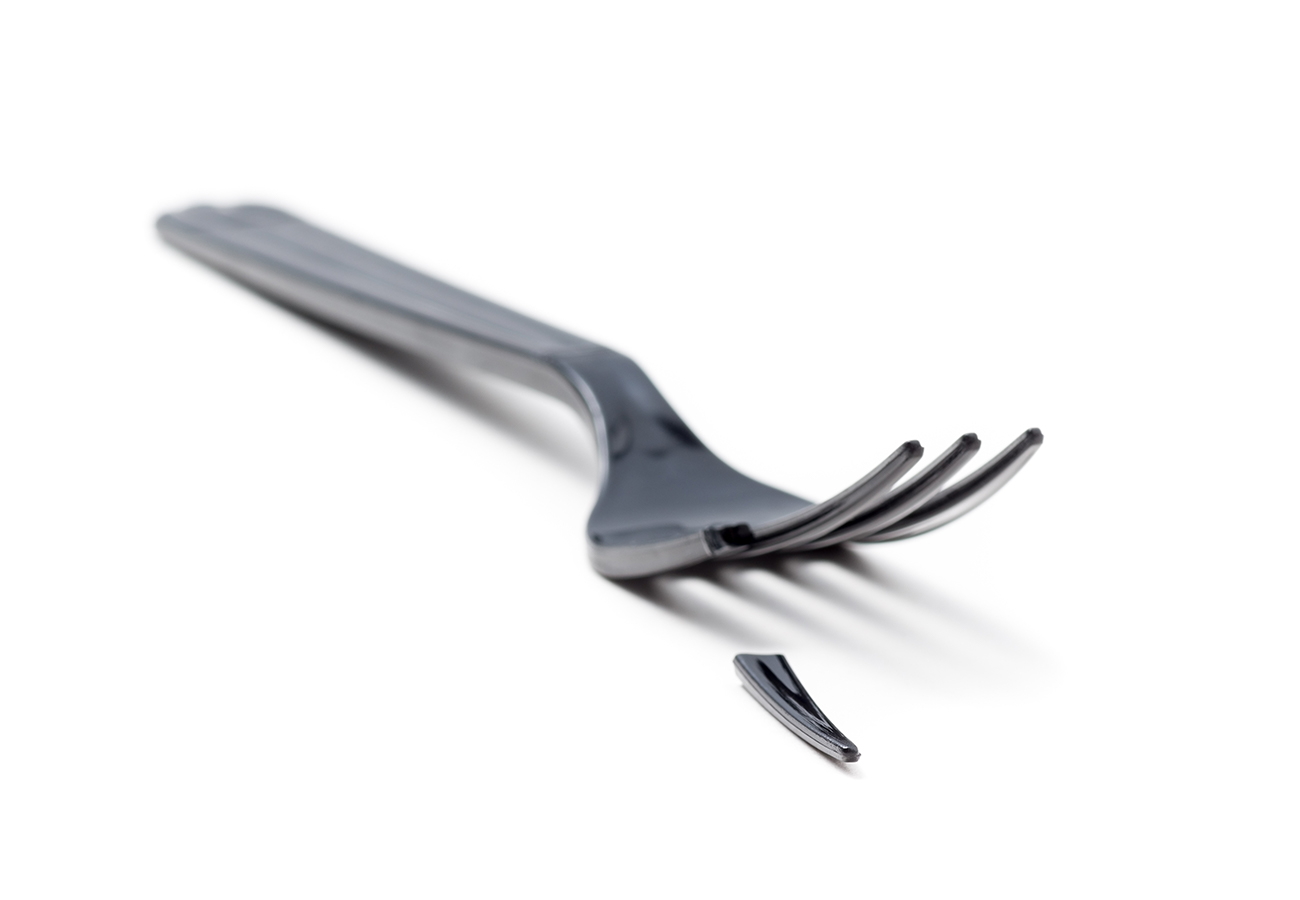
Plastics age due to external environmental influences, exposure to chemicals, radiation or mechanical influences. This ageing manifests itself in swelling, embrittlement, loss of strength or cracking.
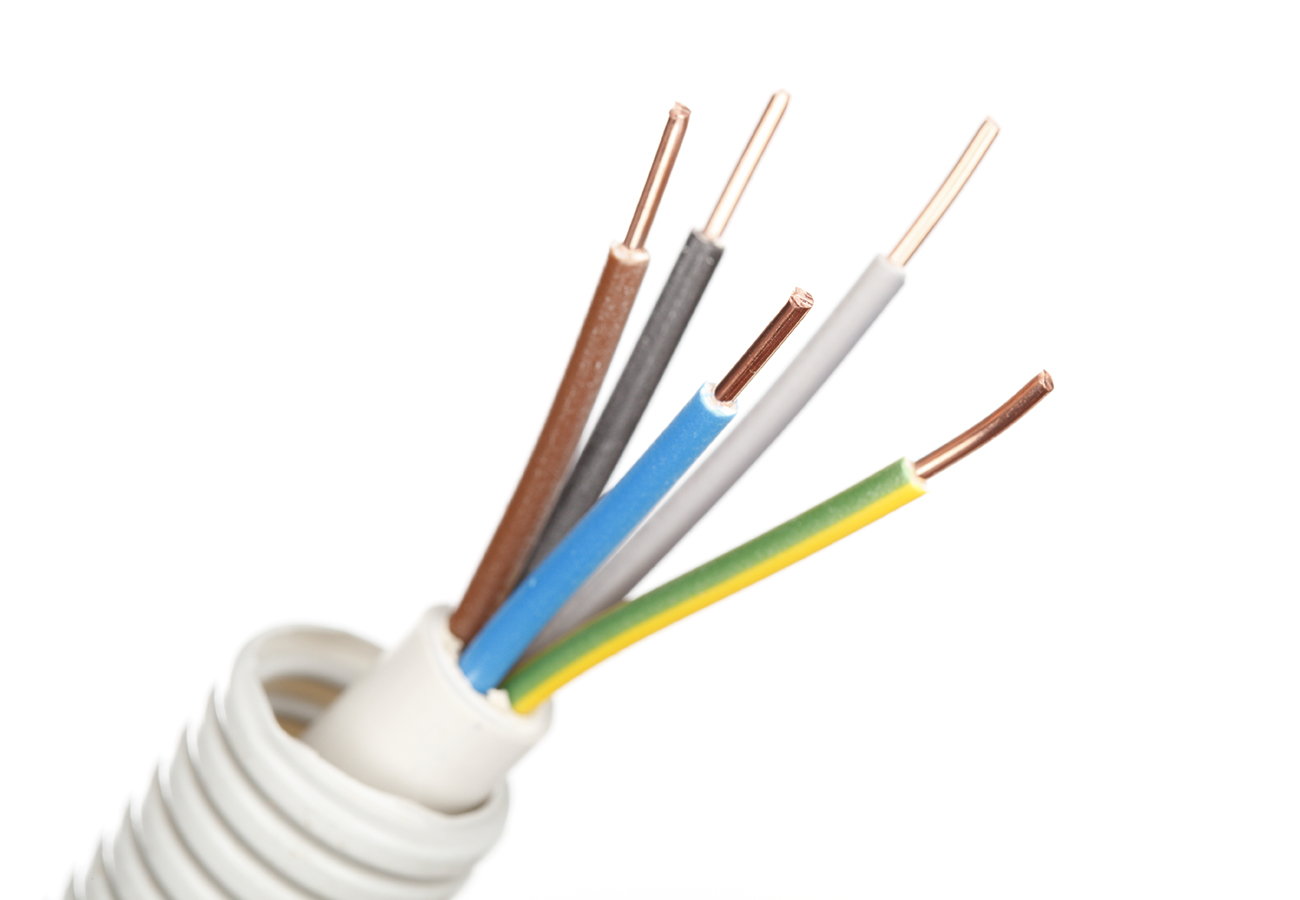
Plastics generally have minimal conductivity and are therefore particularly suitable for insulating against both electricity and thermal energy.
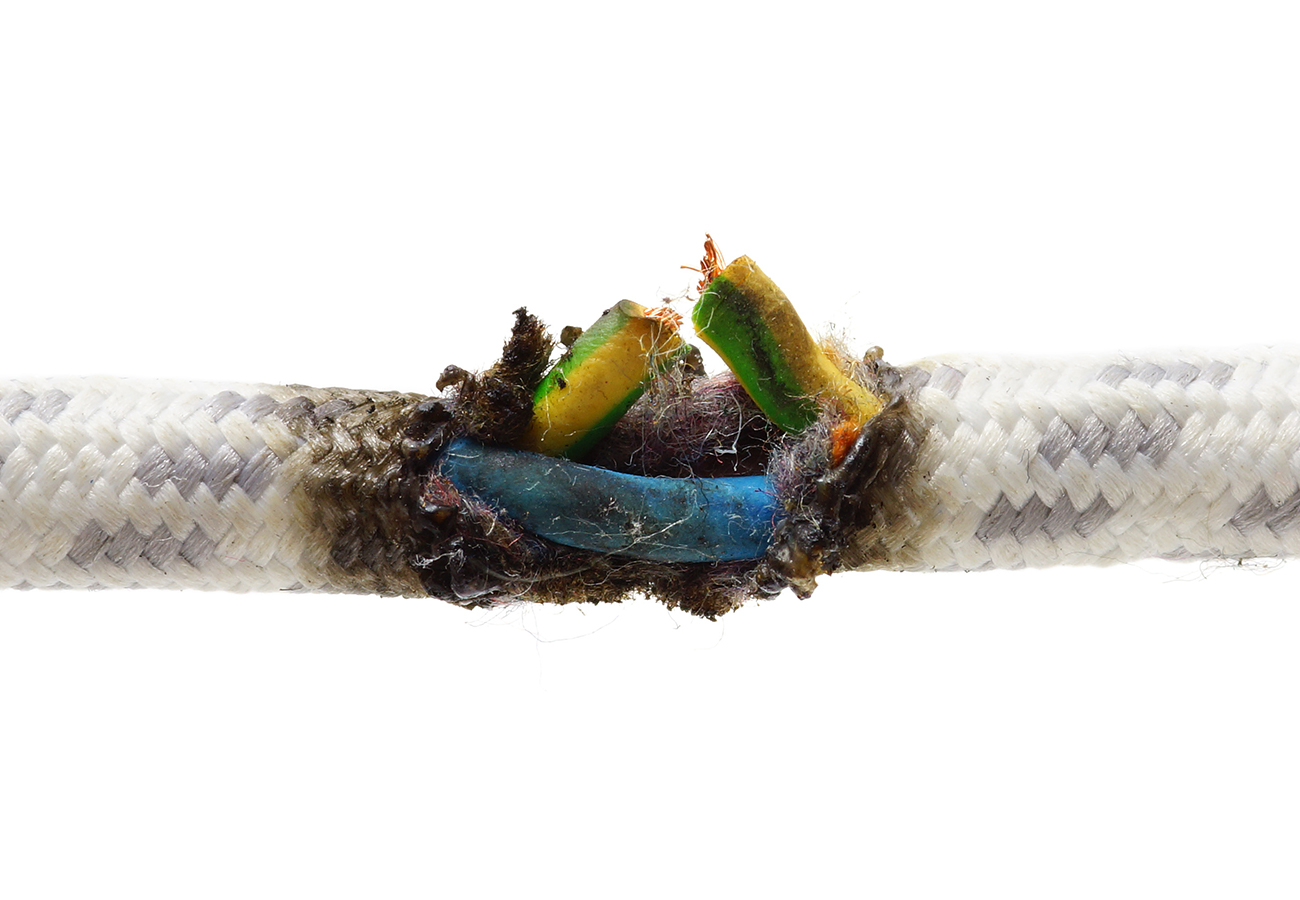
Thermoplastics are usually highly flammable. However, this can be regulated by flame-retardant additives. Thermosets are not flammable due to their molecular structure.
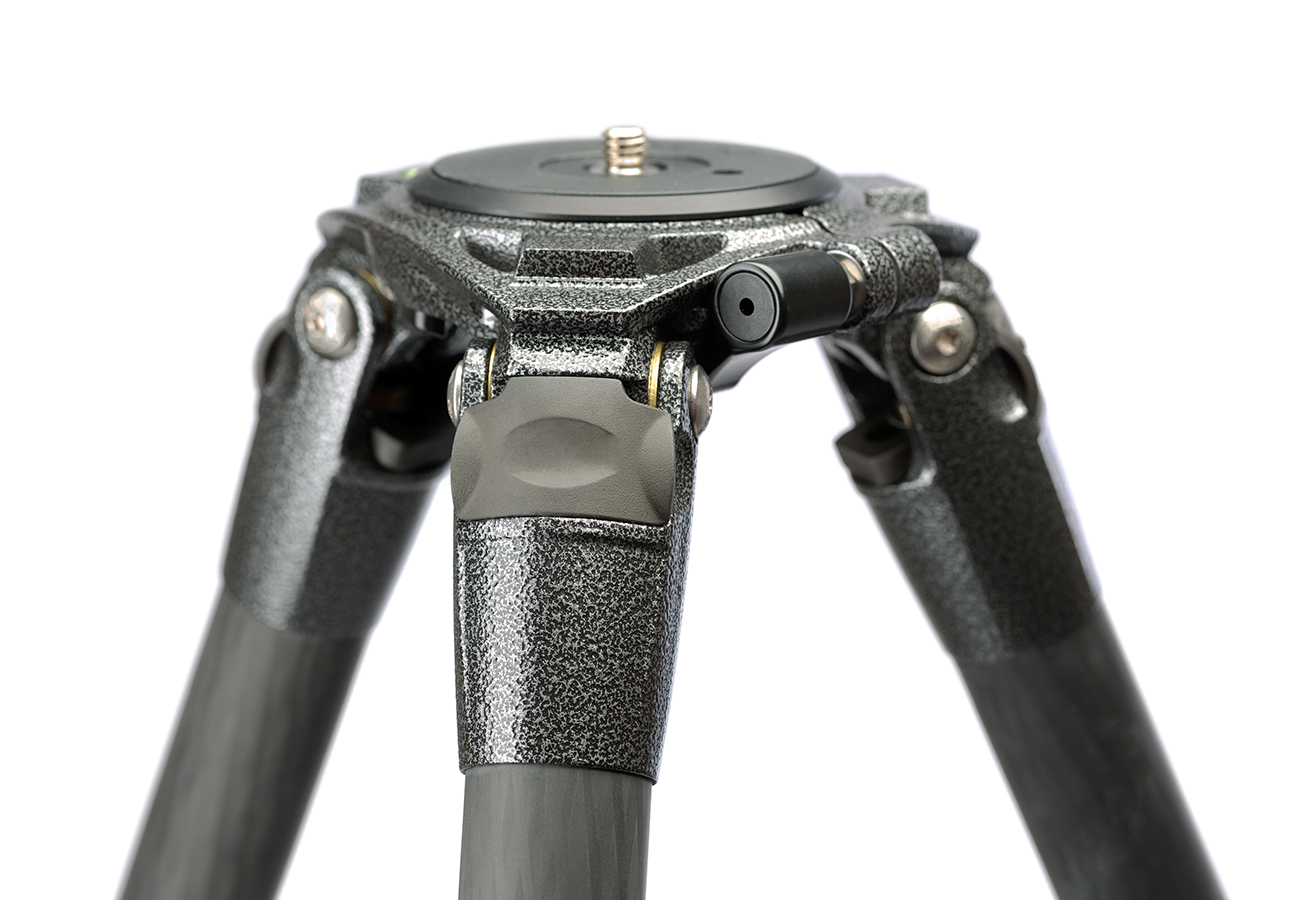
The physical properties of plastics can be optimised by adding additives to increase their mechanical strength. This is done, for example, by adding glass fibre or carbon fibre.
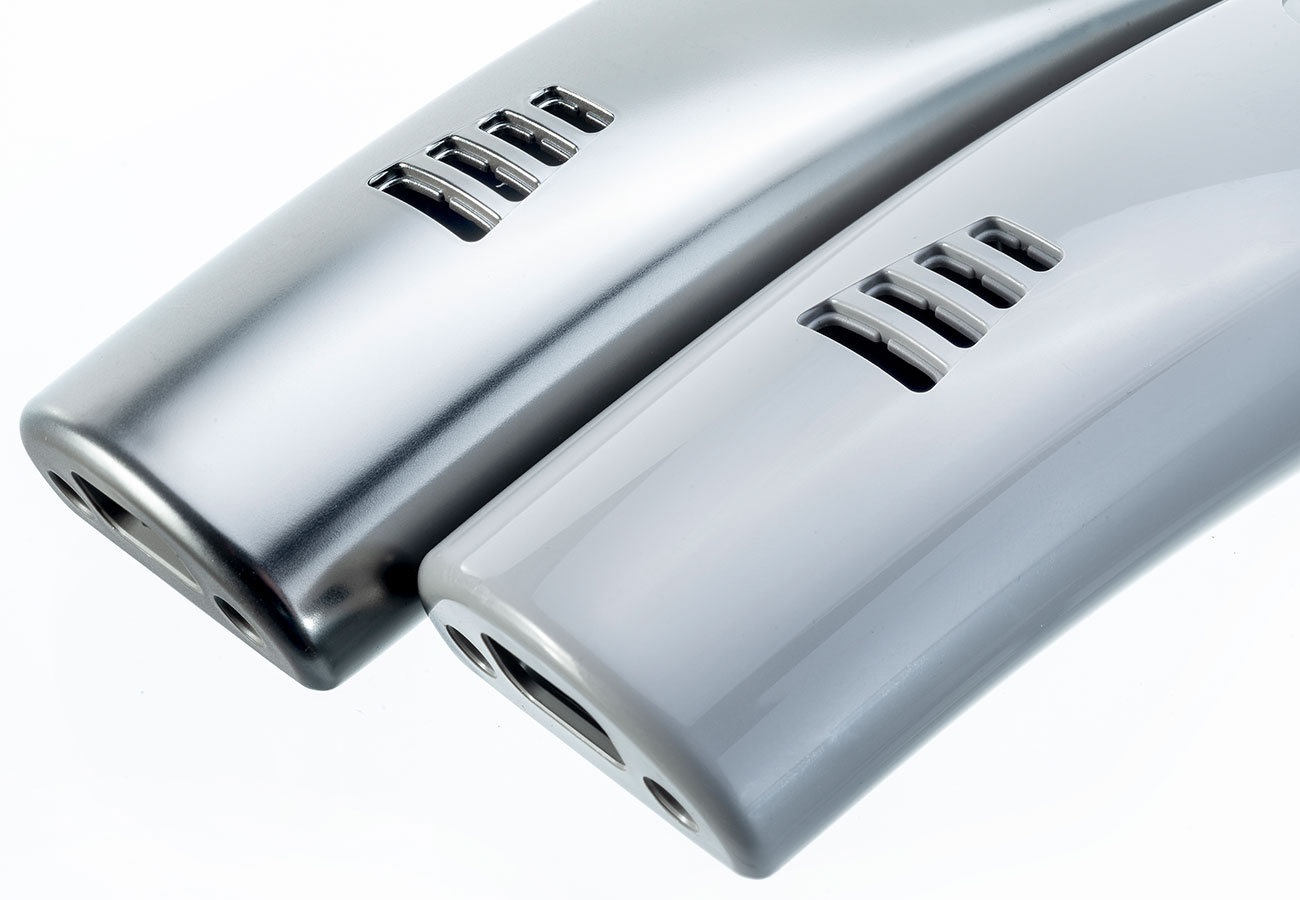
Many processes are available for the technical and visual enhancement of plastics, for example painting, metallising, vapour deposition, laser marking or printing.
RefinementThe most important advantages of thermoplast at a glance
- thermoformable
- weldable
- hard-elastic
- cost-effective in mass production
- generally good recyclability
- electrically insulating
- thermally insulating
- partly good resistance to weather and chemicals
Your direct contact for thermoplastic solutions
Siegfried Kaiser
Head of Sales
Design
Variety in appearance and surface
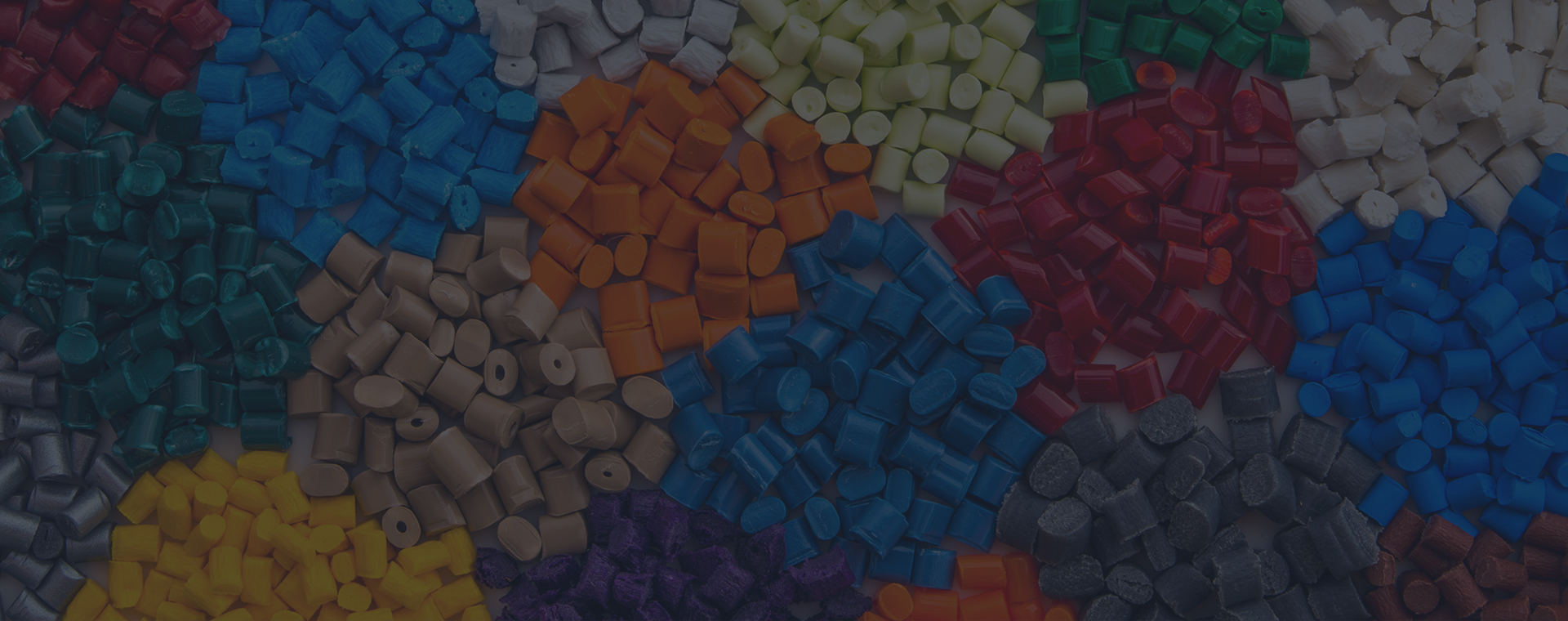
Hardly any other material is as versatile as plastic: apart from its physical properties, plastic offers an enormous range of possibilities in terms of shape, colour, feel and surface design.
Talk to us!